02 / EMAIL & LIFECYCLE CAMPAIGNS
The flow runs. The revenue doesn't follow.
Default templates get you live fast and plateau just as fast. We remap every sequence to where the recipient actually is — new signup, cart abandoner, lapsed buyer — and write each step to that specific moment, not a generic drip everyone gets regardless of behaviour.
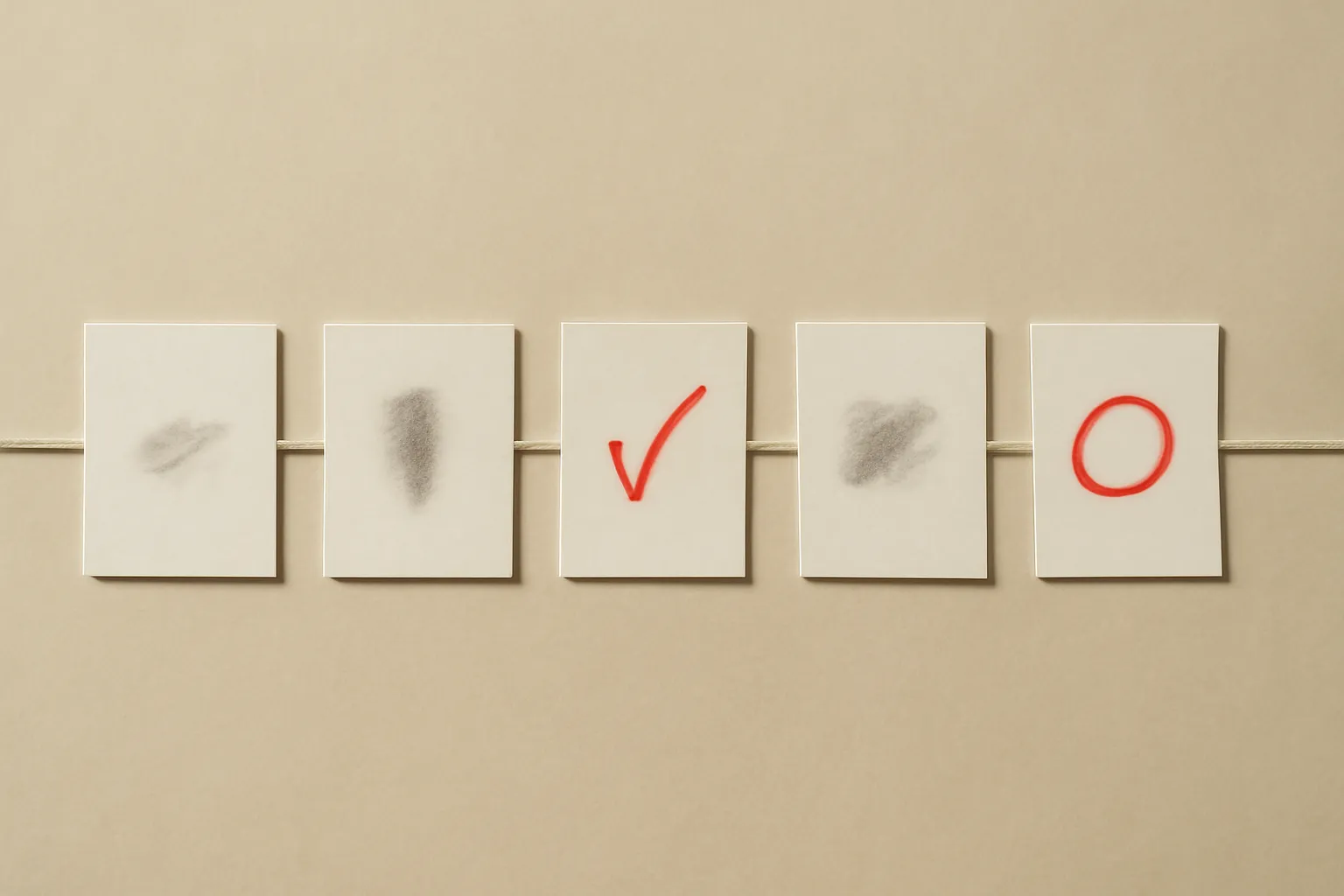
Mapped sequence
PLG freemium SaaS onboarding sequence, France/EU
A flow is not a strategy.
Somewhere along the way, "day 3 of onboarding" and "day 3 of cart abandonment" started getting the same tone, the same structure, sometimes the same sentence with the product name swapped. That's not personalisation drifting — that's personalisation that never existed past the merge tag.
As lists grow, the instinct is to write less often, not more specifically. The result is a sequence that technically sends, technically opens, and technically underperforms every step past the first.
What's included
- INCL.01
Lifecycle & segmentation map
Every trigger, segment and moment mapped before a single line gets written.
- INCL.02
Full sequence copy
Subject line, preview text, body and CTA, written for every step.
- INCL.03
Segment-specific variants
Different copy for meaningfully different segments — trial vs. free-plan, first-time vs. repeat buyer — not one blast to everyone.
- INCL.04
ESP-ready handoff
Delivered in your platform's block structure (Klaviyo, Customer.io, or whichever you run), annotated.
- INCL.05
One revision round
Built into the price.
How we work on this service
Diagnose (3–5 business days)
We read current flow performance step by step, plus the existing segmentation logic (if any).
Map (3–4 business days)
We build or rebuild the lifecycle map: who gets what, at which trigger, and why.
Draft (5–8 business days)
Every step written against the map.
Sharpen (3 business days)
One revision round.
Handoff (1–2 business days)
Delivered in your ESP's format, annotated and ready to build.
Proof
Illustrative example
9.4%
9.4% more revenue per send, sequence-wide, six weeks after relaunch.
8-figure DTC skincare brand, France/Benelux
See the full casePackages
Essential
€1,900excl. VAT
€2,280 incl. 20% VAT
One sequence, rebuilt around actual behaviour — cart abandonment or onboarding.
- Light segmentation review
- Full copy, up to 5 steps
- ESP-ready handoff
- 1 revision round
2–3 weeks
Growth
€3,900excl. VAT
€4,680 incl. 20% VAT
Two sequences plus the segmentation map that ties them together.
- Full lifecycle & segmentation map
- 2 sequences, full copy
- Segment-specific variants
- ESP-ready handoff
- 2 revision rounds
3–4 weeks
Flagship
€7,200excl. VAT
€8,640 incl. 20% VAT
The full lifecycle programme — up to 5 sequences, one map.
- Full lifecycle & segmentation map
- Up to 5 sequences, full copy
- Segment-specific variants
- ESP-ready handoff
- 2 revision rounds
4–6 weeks
Custom / Enterprise
Price on request
Multi-brand or multi-market lifecycle programmes.
- Scoped individually
Service FAQ
Which ESP do you write for?
Any of them — Klaviyo, Customer.io, ActiveCampaign, HubSpot, and others. We deliver copy in your platform's actual block structure, not a generic Word doc you have to reformat.
Our open rates look fine. Why would this matter?
A blended open rate can look healthy while the step that actually drives revenue — day 5, the objection-handling email — quietly underperforms. We report per-step, because that's where the money is lost or made.
How many segments is too many?
The map tells us, not a rule of thumb. Some brands need 3 meaningful segments; some need 8. We build only as many as the data supports — more segments than your actual behavioural differences just means more upkeep for no lift.
Can you work alongside our existing ESP admin/ops person?
Yes, and it's the smoothest setup — we write and annotate, they build and QA the automations. We hand off in a format built for exactly that split.
Do you write the flow logic (triggers, delays, branches), or just the copy?
We map the logic as part of the lifecycle map — triggers, delays, branch conditions — because copy written without it is copy written blind. Implementation in your ESP is your team's or a specified partner's.